Brain Awareness Week 2026: What Your Brain Has to Do With Your Body
- mcvarela0
- Mar 16
- 3 min read
Updated: Apr 21
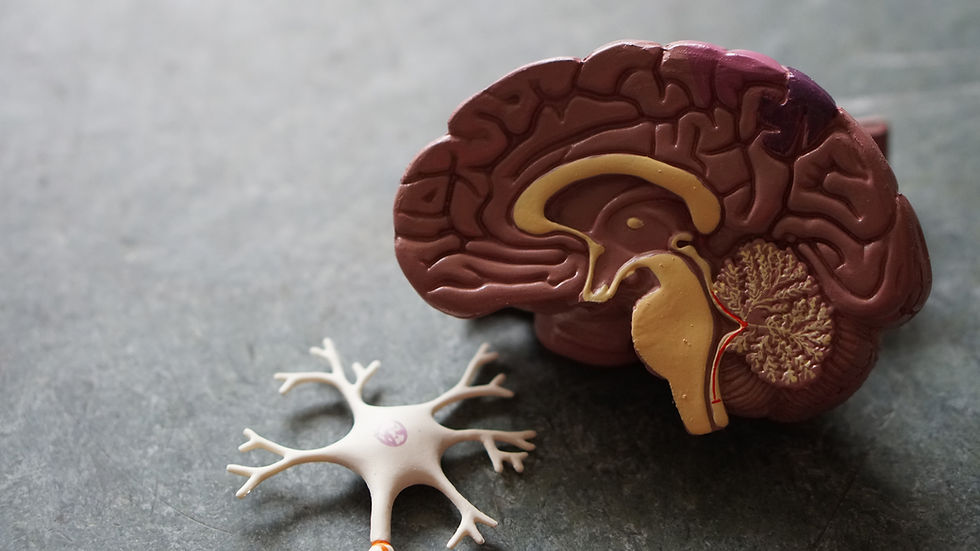
This week, 16 to 22 March, marks Brain Awareness Week 2026, the global campaign led by the Dana Foundation to increase public understanding of brain science and its impact on our everyday lives. As physiotherapists, this is a week close to our hearts, because the brain is not separate from the body we treat. It is at the centre of everything we do.
Whether you are managing chronic pain, recovering from injury, dealing with neurological symptoms, or simply trying to move and feel better as you age, your brain is involved in every single part of that process.
The Brain and Pain: A Relationship Worth Understanding
One of the most important shifts in physiotherapy over the last decade has been a deeper understanding of how the brain processes pain. Pain is not simply a signal sent from a damaged body part. It is an output created by the brain, based on a complex mix of sensory information, past experiences, emotions, beliefs, and context.
This means that two people with identical injuries can experience pain in completely different ways. It also means that pain can persist long after tissue has healed, because the nervous system has become sensitised and continues to generate a protective response even when it is no longer needed.
Understanding this is not about dismissing pain or suggesting it is "all in your head." It is about recognising that the brain is trainable, adaptable, and capable of change, and that physiotherapy, when delivered well, works with the brain as much as it works with the body.
Neuroplasticity and Recovery
Brain Awareness Week is a wonderful opportunity to highlight neuroplasticity, the brain's remarkable ability to reorganise, adapt, and form new connections throughout life. This capacity underpins every aspect of rehabilitation. When you relearn a movement after injury, retrain your balance after a fall, or gradually reduce pain through graded exercise, you are literally changing the way your brain processes information.
This is not abstract science. It is the foundation of how physiotherapy works, and in 2026 the evidence supporting neuroplasticity-informed rehabilitation is stronger than ever.
Movement Is Medicine for the Brain
Regular physical activity is one of the most powerful tools we have for brain health. Exercise increases the production of brain derived neurotrophic factor, a protein that supports the growth and survival of neurons. It reduces inflammation, improves mood, sharpens cognitive function, and reduces the risk of neurological conditions including dementia and Parkinson's disease.
As physiotherapists, we prescribe movement every day. And during Brain Awareness Week, we want to be clear: that movement prescription is as good for your brain as it is for your muscles, joints, and bones.
Your Brain Deserves Attention Too
If you are living with chronic pain, neurological symptoms, or a condition that affects your movement and quality of life, please do not put off seeking help. The brain is adaptable, recovery is possible, and physiotherapy can play a meaningful role in getting you there.
How We Can Help With Pain, Recovery and Brain Health
At SmartPhysio, we take a whole-body approach to rehabilitation, helping people improve movement, manage pain and regain confidence after illness or injury. Whether you are recovering from neurological symptoms, living with persistent pain, or rebuilding strength, our team can help. Explore Neuro Physio, Pain Management, Strokes, or contact us to arrange an assessment.


