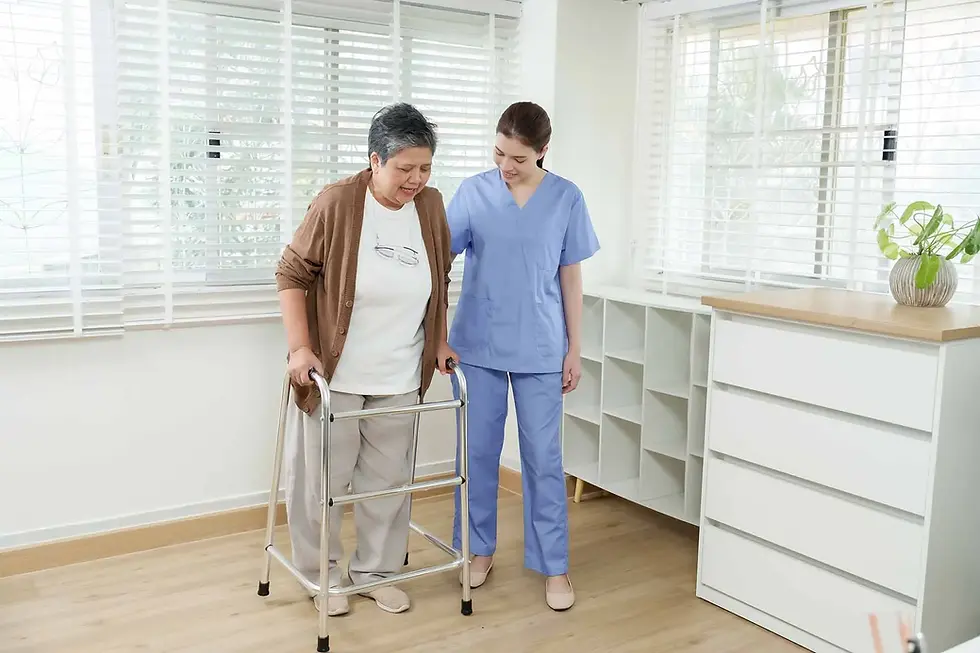
Life After a Stroke
- SMARTPHYSIO
- Dec 23, 2025
- 3 min read
Updated: Apr 21

How Physiotherapy Supports Long-Term Recovery
A stroke can dramatically alter a person’s life, affecting movement, balance, strength, and confidence. Recovery is rarely linear, and the challenges can persist long after leaving hospital. Physiotherapy plays a central role in helping individuals regain function, rebuild independence, and adapt to new ways of living.
At SMARTPHYSIO, our approach to post-stroke physiotherapy focuses not only on immediate rehabilitation but also on supporting long-term recovery at home or in the community. Small, consistent improvements can lead to meaningful changes over time.
Understanding the Long-Term Effects of Stroke
The effects of stroke vary widely depending on the area of the brain affected and the severity of the event. Some people may experience weakness or paralysis on one side of the body, difficulties with coordination, or balance issues. Others may face challenges with speech, fatigue, or cognitive function.
Physiotherapy addresses the physical aspects of stroke recovery, helping patients rebuild strength, improve mobility, and regain confidence in daily tasks. Early intervention is important, but ongoing therapy can continue to offer benefits months or even years after the initial event.
The Role of Home-Based Physiotherapy
Rehabilitation in a familiar environment can enhance outcomes. Home-based physiotherapy allows the physiotherapist to observe real-life challenges and adapt exercises accordingly. It also reduces the stress and fatigue often associated with travelling to a clinic, which can be particularly beneficial for individuals with limited mobility or ongoing fatigue.
During home visits, physiotherapists can identify obstacles in the living space and provide practical advice on modifications or adaptive strategies. This approach not only supports recovery but also promotes safety and independence.
Building Strength, Balance, and Confidence
Regaining physical function after a stroke requires targeted exercises that improve strength, flexibility, and balance. Physiotherapists work closely with patients to set achievable goals and monitor progress over time. Activities may include walking retraining, stair practice, guided movement exercises, or functional tasks designed to restore confidence in everyday life.
Regular, structured physiotherapy helps to prevent secondary complications, such as joint stiffness, muscle shortening, and falls. It also encourages neuroplasticity—the brain’s ability to form new connections—which is crucial for long-term recovery.
Using Physiotherapy to Adapt Daily Life and Maintain Motivation
Recovery after a stroke is not only about physical rehabilitation. Physiotherapy supports adaptation to daily life, helping individuals develop routines and strategies that make tasks easier. This may involve learning new ways to dress, cook, or transfer safely between surfaces.
Maintaining motivation can be challenging, especially when progress feels slow. Physiotherapists provide encouragement, celebrate small achievements, and involve family members and carers in the process. This collaborative approach ensures that support extends beyond the therapy sessions.
Supporting Long-Term Independence
The ultimate aim of physiotherapy after stroke is to maximise independence and quality of life. Even small gains, such as walking a few steps without assistance, reaching for objects confidently, or performing self-care tasks independently, can make a significant difference.
Physiotherapy also helps patients maintain activity levels over time, reducing the risk of deconditioning and secondary health issues. For many, ongoing physiotherapy support is a vital part of staying active, engaged, and connected with the world around them.
Recovery Is a Journey, Not a Destination
Life after a stroke can be challenging, but physiotherapy offers hope and tangible progress. Recovery is unique to each individual, and long-term support is key to achieving meaningful improvements. With the right guidance, patients can regain function, adapt to new circumstances, and continue pursuing the activities that matter most to them.
How We Can Help With Stroke Rehabilitation
To find out how we can support recovery through physiotherapy for stroke rehabilitation, including neurological physiotherapy and home visit physiotherapy, or through in-clinic physiotherapy services in London, contact SMARTPHYSIO to discuss the most appropriate support for you or your loved one.