Race Against Dementia Day: Supporting Quality of Life Through Physiotherapy 🧠
- mcvarela0
- Jan 21
- 3 min read
Updated: Apr 21

Today, on Race Against Dementia Day, we turn our attention to a condition that's touching more families than ever before. With over 511,000 people in the UK now living with a formal diagnosis of dementia, and countless others still undiagnosed, it's time we talked openly about the physical challenges this condition brings – and what we can actually do about them.
Here's what often goes unsaid: dementia doesn't just affect memory. It impacts how people move, their strength, their balance, and ultimately, their ability to do the everyday things that give life meaning. And that's exactly where physiotherapy comes in.
The Physical Reality of Living with Dementia
I've worked with many people living with dementia, and I've seen how reduced physical activity can create a difficult cycle. When someone moves less, joints become stiff, muscles weaken, balance deteriorates, and suddenly, simple tasks like getting dressed or making a cup of tea become enormous challenges. The fear of falling becomes very real – and that fear often leads to moving even less.
But here's what gives me hope: we now have strong evidence that targeted physiotherapy can break this cycle and genuinely improve quality of life.
How Physiotherapy Makes a Measurable Difference
🌿 Keeping You Moving Safely
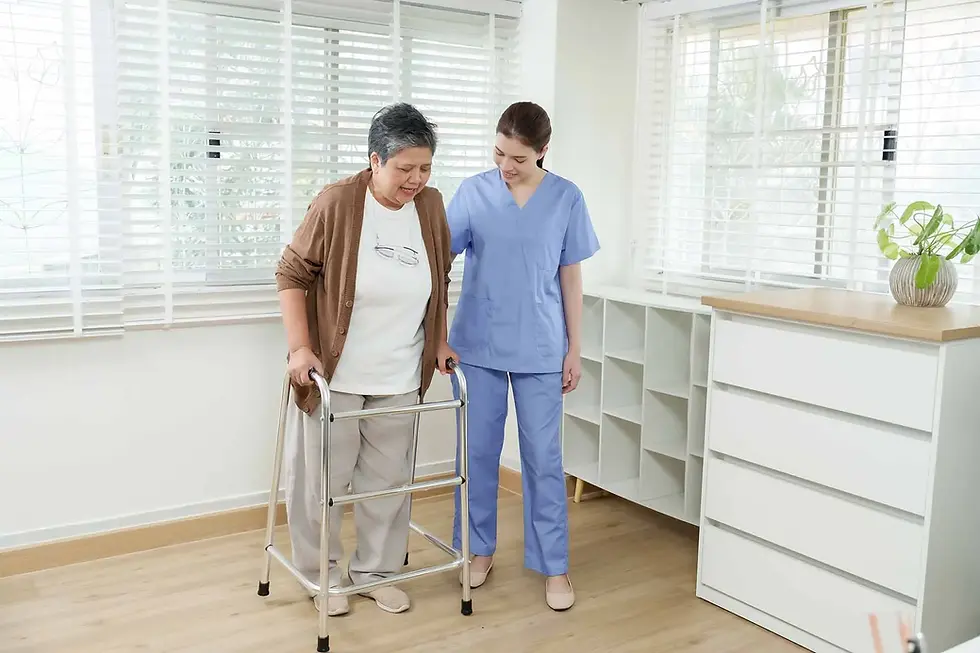
Research shows that supervised exercise training significantly improves walking speed, balance, and overall mobility in people with dementia. We're not talking about gruelling workouts – we're talking about purposeful, gentle exercises designed around your abilities. Through tailored programmes, we can reduce stiffness, ease joint pain, improve balance, and crucially, reduce the risk of falls. Movement doesn't have to be scary; with the right support, it can be empowering.
🌿 Building Strength That Matters
Recent evidence from 2025 confirms that exercise interventions effectively improve functional mobility in older adults with cognitive impairment. This means exercises that help you maintain the muscle strength needed for the things that matter – walking to the shops, standing to cook, climbing stairs, playing with grandchildren. Research shows that even people who've become quite deconditioned can make remarkable improvements. It's never too late to rebuild strength.
🌿 Restoring Confidence in Your Body
Perhaps the most powerful part of physiotherapy is how it helps people feel more confident in their physical abilities. We work on functional training – practising sit-to-stand movements, walking familiar routes at home, navigating stairs. Studies show that physiotherapy interventions are associated with positive effects on several motor and cognitive outcomes. When you can trust your body again, independence follows.
🌿 Supporting Your Whole Wellbeing
The benefits go beyond the physical. Physical activity is neuroprotective and supports neuroplasticity in brain regions affected by dementia. Movement has been shown to reduce agitation, lift mood, and support cognitive engagement. Exercise helps with sleep disturbances, eases symptoms of depression and anxiety, and provides a sense of accomplishment. Your body and mind are deeply connected – caring for one helps the other.
Evidence You Can Trust
Let me be clear: this isn't wishful thinking. Systematic reviews consistently show that intensive physical rehabilitation enhances mobility and improves physical functioning in people with dementia. Recent clinical practice guidelines from 2025 include specific recommendations about exercise for people with dementia, recognising physiotherapy as an essential part of comprehensive dementia care.
The evidence tells us that with proper support, people with dementia can and do benefit from physical rehabilitation at all stages of the condition.
What This Means for You
If you or someone you love is living with dementia, please know this: reduced mobility isn't inevitable, and loss of independence doesn't have to happen as quickly as you might fear. Physiotherapy offers a practical, evidence-based pathway to maintaining dignity, function, and quality of life.
On this Race Against Dementia Day, let's advocate not just for research and early detection, but also for the proactive, compassionate care that helps people live well with dementia every single day. Because movement matters. Independence matters. And you matter.
How We Can Help with Dementia Physiotherapy
Physiotherapy can play an important role in supporting people living with dementia by improving mobility, balance, confidence, and everyday function. We provide personalised care through physiotherapy, home visit physiotherapy, and specialist support for elderly care, delivered in clinic or at home across London. If you would like to discuss how physiotherapy could support you or a loved one living with dementia, contact the team today to arrange an appointment.