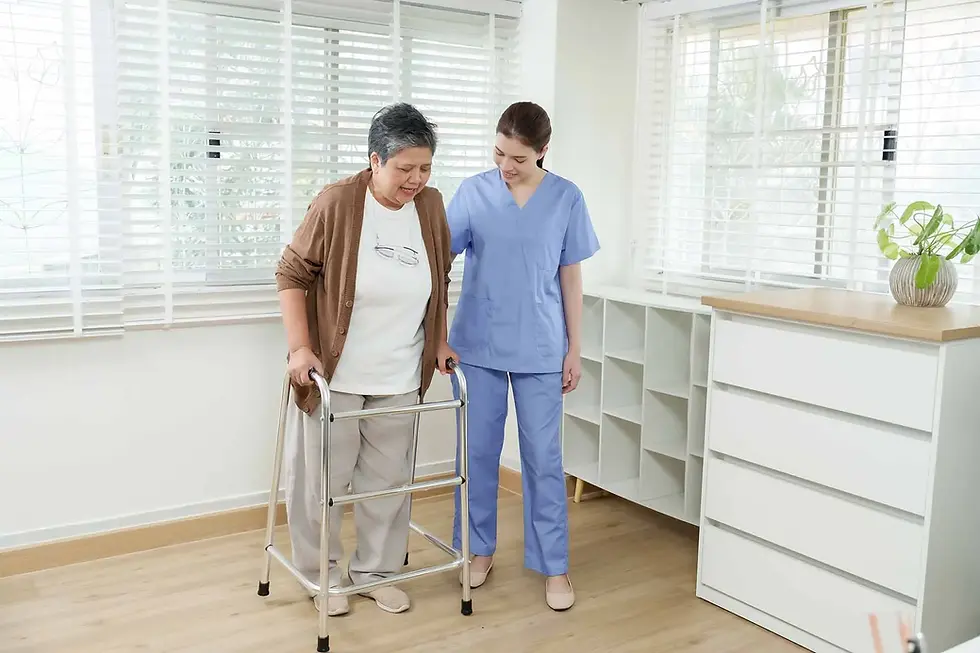
What Is Vestibular Rehabilitation And How It Helps With Balance Disorders
- SMARTPHYSIO
- Feb 7
- 3 min read
Updated: Apr 21

Vestibular rehabilitation is a specialised form of physiotherapy aimed at helping people who experience vertigo, dizziness, balance problems and other symptoms linked to the vestibular system– the part of the inner ear and nervous system responsible for balance and spatial orientation. It’s a treatment that goes beyond general physiotherapy, focusing on retraining the brain and body to adapt when the balance system isn’t working as it should.
Many people think vertigo is just feeling “light‑headed” or unusual, but it can be far more disruptive. True vestibular symptoms often include sensations that the world is spinning, difficulties maintaining balance when walking or standing, nausea triggered by head movement, and a general lack of confidence in everyday movement. For some, these symptoms can lead to anxiety and avoidance of everyday activities.
SMARTPHYSIO already offers specialised vestibular rehabilitation physiotherapy for vertigo and balance disorders across its London clinics and through home visits, with therapists trained in post‑graduate vestibular techniques.
Below, we explain vestibular rehab in practical terms and show how a structured physiotherapy programme can make a meaningful difference in daily life.
How The Vestibular System Works
The vestibular system includes tiny sensory organs in the inner ear (called semicircular canals and otolith organs) that send signals to the brain about head position and movement. These signals help your brain coordinate eye movement, posture and balance. When something disturbs this system– for example displaced crystals in the ear (BPPV), inflammation (vestibular neuritis), migraines or even neck dysfunction– the brain gets mixed signals. That confusion can show up as vertigo or imbalance.
Vestibular rehabilitation works with these systems. Instead of masking symptoms with medication alone, physio encourages the brain to retrain itself, forming new ways of interpreting balance signals and tolerating movements that used to trigger symptoms.
What Vestibular Rehabilitation Involves
A typical vestibular rehabilitation programme begins with a detailed assessment of your symptoms. Your physiotherapist will consider your balance reactions, eye‑head coordination, gait and posture, and how daily activities affect your symptoms. From this assessment, a tailored treatment plan is developed.
Here are the core components of vestibular physiotherapy:
1. Balance Training
Focused exercises challenge and improve your body’s ability to maintain balance in different positions and environments. Exercises might include standing on varied surfaces, weight‑shifting drills or controlled walking tasks– all designed to retrain how your muscles and nerves work together.
2. Gaze Stability Exercises
Many people with vestibular dysfunction struggle to focus their vision when moving their head. Gaze stabilisation drills help the eyes and vestibular system work in harmony so vision stays clear even when you move.
3. Canalith Repositioning Techniques
For certain conditions like benign paroxysmal positional vertigo (BPPV), techniques such as the Epley or Semont manoeuvre are used to reposition tiny crystals within the inner ear. These can provide rapid relief for BPPV symptoms.
4. Functional Movement and Confidence Building
Therapists often include everyday tasks that might trigger symptoms– for example getting in and out of bed, walking up stairs, or turning around while carrying something. Practising these with guidance helps reduce fear and improves independence.
How Vestibular Therapy Helps Long‑Term
Vestibular rehabilitation isn’t just about short courses of exercises. By improving balance reactions, reducing symptom sensitivity, and boosting confidence, it helps people reclaim their everyday lives. With the right guidance, many patients find:
Reduced sensation of spinning or dizziness
Increased ability to walk and move without fear
Better posture and coordination
Improved tolerance of daily activities like driving or shopping
A lower risk of falls and injuries
Rehab also builds a toolkit of self‑management skills– exercises and strategies you can continue independently to support lasting improvement.
Who Can Benefit From Vestibular Rehabilitation
Vestibular rehabilitation isn’t just for one type of vertigo. It can help a range of conditions, including:
Benign Paroxysmal Positional Vertigo (BPPV) – where inner‑ear crystals have become dislodged.
Vestibular Neuritis – inflammation affecting balance nerves.
Vestibular Migraine – vertigo linked with migraine episodes.
Cervicogenic Dizziness – where neck dysfunction contributes to balance issues.
Persistent imbalance or post‑concussion symptoms
Almost anyone whose balance or spatial orientation feels off can be assessed to see if vestibular physiotherapy could help.
Practical Tips During Recovery
While vestibular rehabilitation is personalised, here are some general strategies that often support recovery:
Move deliberately and avoid sudden head motions at first.
Practice prescribed balance and gaze exercises daily between physiotherapy sessions.
If certain movements trigger dizziness, communicate that with your therapist so the programme can be adjusted.
Stay hydrated and avoid triggers that may worsen symptoms, such as loud environments or bright flickering lights.
How We Can Help With Balance and Dizziness
At SmartPhysio, we help people improve balance, reduce dizziness and regain confidence through specialist vestibular rehabilitation and tailored physiotherapy. Whether symptoms are linked to vertigo, falls risk or reduced stability, our experienced team can help you move more safely and comfortably. Explore Physiotherapy, Home Visits, Elderly Care, or contact us to arrange an assessment.