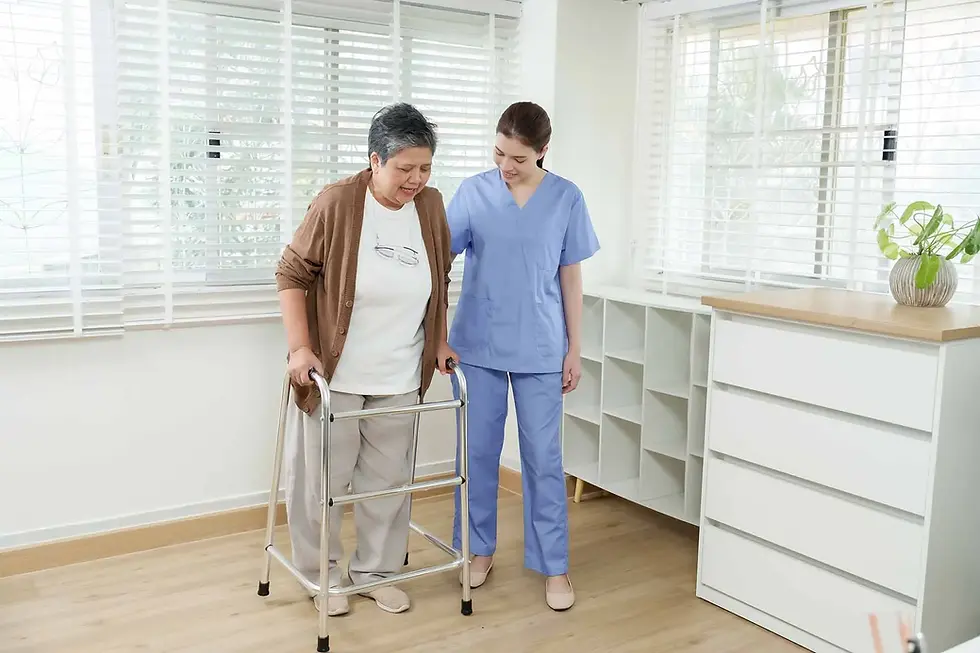
Why Home Physiotherapy Is Transforming Rehab For People With Long Term Conditions
- SMARTPHYSIO
- Jan 31
- 3 min read
Updated: Apr 21

Living with a long term condition often brings challenges that go far beyond the initial diagnosis. Mobility changes, confidence dips, and fatigue can make even the simplest journey to a clinic feel overwhelming. This is one reason home physiotherapy is becoming an essential part of modern rehabilitation. It meets people where they are, reduces barriers to care, and focuses on restoring independence in the place where it matters most: at home.
While traditional clinic-based physiotherapy has played a major role in rehabilitation for decades, more patients and families are now choosing home physiotherapy because it aligns with the realities of their everyday lives. Here is why home-based rehab is transforming outcomes for people with long term conditions.
Physio Rehab That Fits Real Life
Rehabilitation for complex and ongoing conditions needs to be consistent. Missed appointments, transport challenges or symptoms that flare up at the wrong moment can interrupt progress. Home physiotherapy removes these obstacles. The physiotherapist comes directly to the patient, so treatment can continue even when fatigue, weather, mobility limitations or transport availability would otherwise get in the way.
This regularity makes a significant difference. Patients who remain consistent with their exercises often experience faster improvements in strength, balance, and confidence. When rehab becomes part of a person’s real environment, it feels more natural and easier to maintain.
A Comfortable Space Leads To Better Engagement
Many people feel more at ease at home than in a clinical setting. This comfort often leads to better engagement with their physiotherapy. There is no waiting room, no interruptions, and no pressure to perform. Sessions tend to be calmer and more focused, which helps patients absorb information and try new movements without feeling self conscious.
Familiar surroundings also give physiotherapists valuable insight into how someone actually moves during day to day life. This allows them to provide targeted advice, correct unhelpful habits, and adapt exercises to suit the exact environment where the patient spends most of their time.
Exercises That Match Everyday Challenges
Home physiotherapy allows treatment to be directly linked to daily tasks, whether that is rising from a favourite chair, navigating stairs, preparing a meal, or moving safely around narrow spaces. Rehabilitation becomes functional and personalised.
For example, practising transfers, balance work or walking drills in the home can lead to quicker improvements because the person learns to manage the real obstacles they face. This practical style of rehabilitation is especially helpful for neurological conditions, where repetition and context often support better motor learning.
Reduced Fatigue And Better Energy Management at Home
Travelling to appointments can consume a significant amount of energy, which is something many people with long term conditions cannot spare. By removing the need for travel, home physiotherapy allows patients to put their energy into their exercises rather than into simply getting to the session.
This leads to more effective sessions and helps people pace themselves more appropriately. For conditions that involve fatigue, such as stroke, Parkinson’s, MS, or chronic health conditions, this can make rehabilitation far more manageable.
Family Involvement Becomes Natural
Home visits make it much easier for family members or carers to be involved in the rehabilitation process. They can observe techniques, ask questions, and learn how to support their loved one safely between sessions. This involvement helps build consistency and confidence for everyone.
It also brings a shared understanding of what realistic progress looks like, which can reduce frustration and increase motivation at home.
Home-Based Insight That Leads To Better Outcomes
Seeing someone in their own environment gives a physiotherapist a fuller picture of their abilities, limitations, and daily routines. They can identify risks, spot environmental challenges and recommend changes that promote independence and safety.
This holistic view often leads to better outcomes because the treatment plan reflects both clinical needs and real life demands. It is tailored, flexible, and grounded in the patient’s world rather than a controlled clinic setting.
A More Personal Relationship With Your Physiotherapist
Home physiotherapy naturally creates a more personal, trusting relationship between patient and therapist. This trust makes communication easier, which helps patients speak openly about challenges, fears, or difficulties they may otherwise hide. Rehab becomes a partnership rather than an appointment.
A Simple Step That Can Change Recovery
Home physiotherapy is not only convenient; it represents a shift towards care that respects the patient’s lifestyle, limitations, and goals. For many people with long term conditions, this approach supports better consistency, stronger progress and greater independence.
How We Can Help with Home Physiotherapy
Home physiotherapy can play an important role in supporting people with long term conditions, neurological rehabilitation, and mobility challenges. We provide expert care through home visit physiotherapy, physiotherapy, and treatment for neurological conditions, delivered in the comfort of your own home across London. If you would like to discuss whether home physiotherapy is right for you or a loved one, contact the team today to arrange your appointment.