Back Pain Physio in London: When a Home Visit Physiotherapist Is the Best Option

Back pain has a way of making everything harder. Getting dressed, sitting at a desk, walking to the kitchen, trying to sleep. For many people, the pain itself is one problem. Working out how to get help without making it worse is another one entirely.
If travelling to a clinic feels impossible right now, whether because sitting in a car is unbearable, stairs are too difficult, or a flare-up has left you barely able to move, a home visit physiotherapist may be the most practical and appropriate place to start. This article explains when that option makes sense, what physiotherapy for back pain actually involves, and how to find the right support in London.
Should you see a physio for lower back pain?
In most cases, yes. Physiotherapy is one of the most well-supported approaches for back pain, and the NHS recommends staying active and seeking professional guidance rather than resting and waiting for symptoms to resolve on their own.
A physiotherapist can assess the cause and nature of your pain, identify what is aggravating it, and build a management plan that is specific to you. That is quite different from following generic exercises found online, which may be unhelpful or even counterproductive depending on your presentation.
Back pain physiotherapy in London covers a wide range of presentations, from acute lower back pain after a sudden movement to longer-standing stiffness, referred pain into the leg, or symptoms that have gradually worsened over time. Not all back pain is the same, and treatment should reflect that.
One thing worth knowing: imaging is not always necessary or helpful for back pain. Many people with significant pain have unremarkable scans, and many with scan findings have no symptoms at all. A good physiotherapist works with what you tell them and how you move, not just what a scan shows.
What will a physiotherapist do for lower back pain?
A physiotherapist will not simply hand you a sheet of exercises and send you home. A proper assessment comes first.
That assessment typically involves:
A detailed history of your pain, including when it started, what makes it better or worse, and how it is affecting your daily life
Observation of your posture and movement patterns
Testing your range of movement, strength, and any nerve-related symptoms
Identifying specific aggravating activities, whether that is sitting, standing, bending, getting out of bed, or walking
From there, treatment might include targeted exercises, hands-on treatment where appropriate, and practical advice on pacing and activity. For people with chronic and acute spinal conditions, the plan may also involve guidance on how to manage flare-ups, how to return to activity gradually, and what to avoid in the short term.
The goal is not just to reduce pain. It is to help you understand what is happening and give you the tools to manage it.
Can a physiotherapist come to your house?
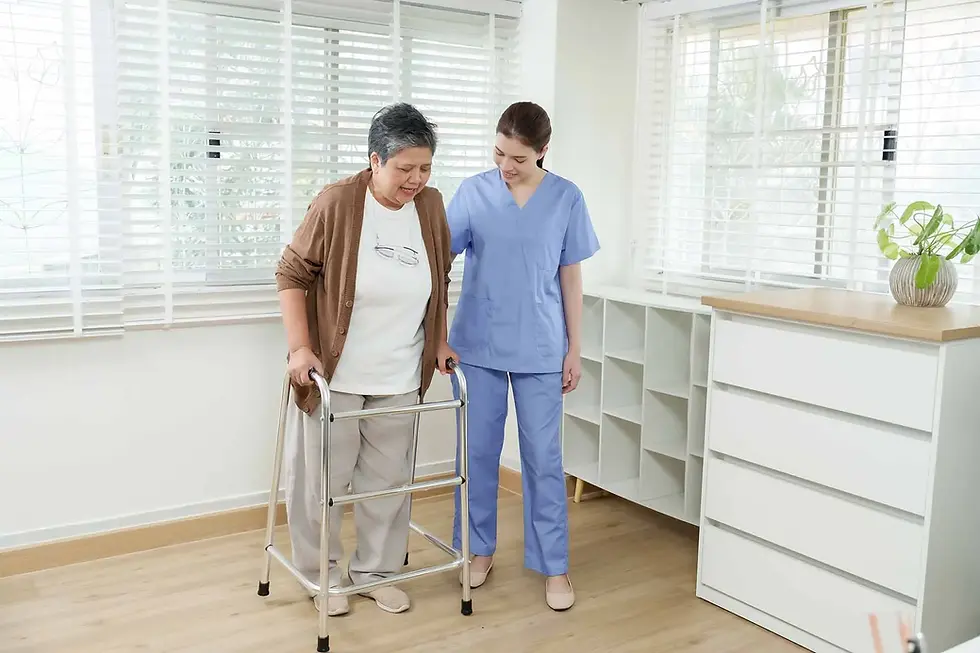
Yes. A qualified physiotherapist can visit you at home and carry out a thorough assessment and treatment session in your own environment. Home visit physiotherapy in London is not a reduced version of clinic care. In many situations, it is actually more useful, because the physiotherapist can observe how you move around your own home, identify specific problem areas such as a low sofa, a difficult staircase, or an awkward bed height, and provide practical strategies that fit your real life rather than a clinical setting.
A home visit may be the most appropriate option if:
Sitting in a car or public transport is too painful
A recent flare-up has severely limited your movement
Stairs are very difficult or unsafe
You are an older adult who is unsteady or needs support with transfers and bed mobility
Fear of movement is stopping you from attending a clinic
You need help with basic tasks such as getting up from a chair or managing in the morning
Older adults in particular often benefit from this approach. Pain, reduced balance, and limited mobility can combine to make leaving the house genuinely difficult. For those receiving elderly care physiotherapy support, home-based treatment allows the physiotherapist to assess and address functional difficulties in the exact context where they matter most.
A common scenario we see: someone whose lower back pain is severe enough that they cannot sit comfortably for more than a few minutes. Getting into a car, travelling across London, and sitting in a waiting room before even beginning treatment is simply too much. Starting with a home visit removes that barrier entirely.
Sciatica, nerve pain, and back pain: when symptoms go beyond simple stiffness
Not all back pain stays in the back. If you are experiencing pain, tingling, numbness, or weakness that runs into your buttock, down your leg, or into your foot, you may be dealing with sciatica or another form of nerve-related pain.
Physiotherapy for nerve pain takes a different approach to simple muscular back pain. The physiotherapist will assess nerve mobility, identify positions and movements that provoke or ease symptoms, and work carefully to reduce irritation and restore function. The NHS guidance on sciatica notes that most cases improve with the right management, though recovery can take time.
Sciatica can make stairs particularly difficult, and some people find that certain positions, such as sitting for extended periods or climbing in and out of a car, cause a sharp increase in symptoms. For those situations, a home physio assessment is often the most sensible starting point.
It is important to note that certain symptoms do need medical review before or alongside physiotherapy. Bladder or bowel changes alongside back pain, severe or rapidly progressing weakness, or back pain following trauma should be assessed by a doctor. A good physiotherapist will always flag these situations clearly.
Home visits are not always the end point
Starting with a home visit does not mean staying there indefinitely. Many people begin treatment at home during an acute phase, then gradually build enough confidence and mobility to attend a clinic for ongoing care.
That transition can be helpful. Clinic-based physiotherapy offers access to additional equipment, exercise space, and the opportunity for more varied treatment. The home visit phase does its job, gets you through the worst of it, and then clinic follow-on care picks up from there.
Back pain physiotherapy in London: where we are based
SMARTPHYSIO has four London clinic locations. Our West End physiotherapy clinic is based on Charing Cross Road in Soho. Our Highgate physiotherapy clinic is on Archway Road, and our Hampstead physiotherapy clinic is on Finchley Road. For those working in or near the City, our City physiotherapy clinic is based at Bishopsgate.
We also provide home visit physiotherapy across London for patients who need treatment in their own home, whether temporarily during a flare-up or on a longer-term basis.
SMARTPHYSIO is led by Sammy Margo, a highly experienced physiotherapist with more than 30 years of practice and particular expertise in rehabilitation, mobility support, and care for older adults. Our team provides physiotherapy in London for a wide range of conditions, with a strong focus on practical, patient-centred care.
How We Can Help with Back Pain
Back pain, sciatica, and nerve-related symptoms can all be assessed and treated through physiotherapy, whether that begins at home or in one of our clinics. We regularly support people who are in too much pain to travel, older adults whose mobility makes clinic attendance difficult, and patients managing longer-term spinal conditions who need structured, expert guidance.
If you or a family member would benefit from back pain physiotherapy or home visit physiotherapy in London, contact the team today to arrange an assessment. We are happy to discuss your situation and advise on the most appropriate way to start.
Frequently Asked Questions (FAQs)
Can a physiotherapist help with lower back pain?
Yes. Physiotherapy is one of the most effective approaches for lower back pain. A physiotherapist will assess the cause of your pain, identify what is aggravating it, and create a tailored plan that may include exercises, hands-on treatment, and practical movement advice.
What is the difference between seeing a physio at home versus at a clinic?
Both approaches offer professional assessment and treatment. A home visit is particularly useful when pain is too severe to travel, mobility is limited, or the patient is an older adult. It also allows the physiotherapist to assess the patient's real environment. Many people start with home visits and transition to clinic care as they improve.
Can a physiotherapist help with sciatica?
Yes. Sciatica and other forms of nerve-related back pain respond well to physiotherapy in many cases. Treatment focuses on reducing nerve irritation, improving mobility, and identifying movements or positions that ease or provoke symptoms. If symptoms are severe or progressing rapidly, a medical review may also be appropriate.
How do I know if my back pain needs a physiotherapist?
If your back pain is affecting daily activities, not improving after a couple of weeks, or involving referred symptoms such as leg pain or tingling, it is worth seeking a professional assessment. A physiotherapist can advise on the best course of action and, where necessary, refer you to another specialist.