Frailty Awareness 2026: How Physiotherapy Can Help You Stay Strong as You Age
- mcvarela0
- Mar 2
- 2 min read
Updated: Apr 21

Frailty is one of the most important and most misunderstood health topics facing the UK today. As a physiotherapist, I work with older adults every week, and there's one thing I want people to know above all else: frailty is preventable. With the right support, early action, and the correct exercise programme, most people can avoid it altogether or significantly reduce its impact on their daily lives.
In 2026, with an ageing population and increasing pressure on NHS services, addressing frailty early has never been more relevant. The good news is that physiotherapy is one of the most powerful tools we have to tackle it.
What Actually Is Frailty?
Frailty is a state of reduced resilience, where the body struggles to recover from everyday stressors like a minor illness, a fall, or even a short hospital admission. Common signs include unintentional weight loss, persistent fatigue, slower walking speed, reduced grip strength, and low levels of physical activity.
It's important to be clear: frailty is not the same as simply being old. Many people in their 80s are fit and active, while others in their late 60s may already be showing early signs. It exists on a spectrum, from pre-frailty through to severe frailty, and catching it early makes a significant difference to outcomes.
Where Physiotherapy Makes a Real Difference
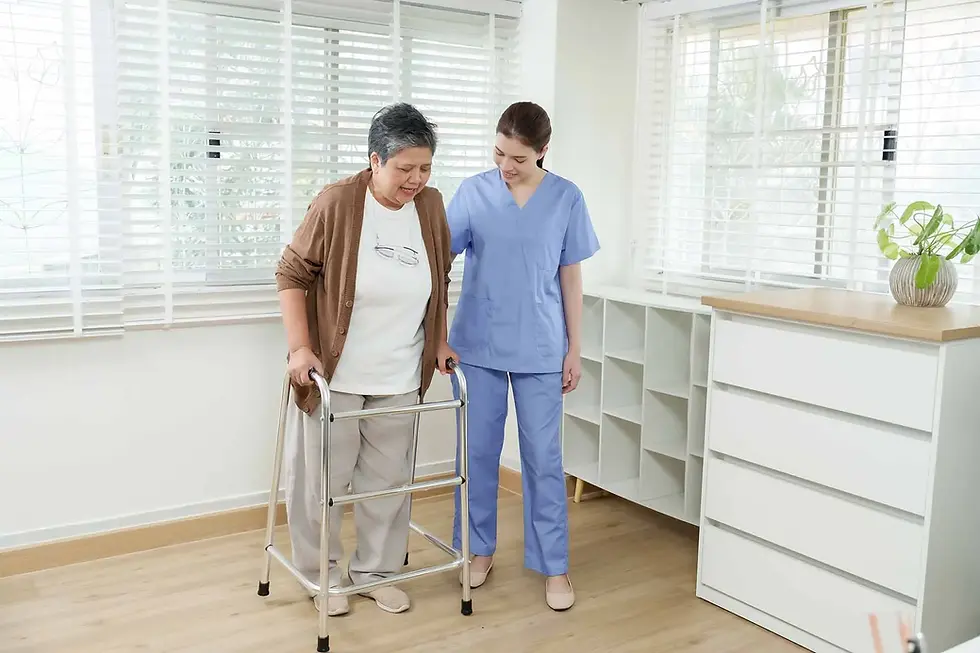
The evidence in 2026 is clearer than ever: progressive resistance and balance training is the most effective intervention for frailty. As physiotherapists, we don't offer a one-size-fits-all approach. We carry out individual assessments, identify each person's specific strengths and gaps, and build programmes around what matters most to them, whether that's getting up from the sofa unaided, walking to the local park, or keeping up with the grandchildren.
Falls prevention is another critical part of what we do. Through targeted balance retraining, lower limb strengthening, and home environment reviews, physiotherapy significantly reduces fall risk, helping people stay independent and out of hospital.
We also address sarcopenia, age-related muscle loss, which sits closely alongside frailty and is now a key focus across NHS services and wider healthcare guidance.
It's a Team Effort
Physiotherapy doesn't work in isolation. Across England, Wales, and Scotland, we work alongside GPs, occupational therapists, dietitians, and social prescribers through Primary Care Networks. Nutrition, mental wellbeing, social connection, and medication reviews all play a role in frailty management, and a good physio will always flag concerns beyond their own scope.
Don't Wait, Act Now
If you're worried about your own strength or balance, or concerned about an older relative, please don't put it off. The earlier we intervene, the better the results. Frailty is not something you have to accept, and with the right physiotherapy support, most people can regain strength, confidence, and independence.
How We Can Help You Stay Strong and Independent
At SmartPhysio, we help older adults improve strength, balance and confidence through tailored physiotherapy designed for healthy ageing. Whether you are concerned about frailty, falls, reduced mobility or recovering after illness, our experienced team can help. Explore Elderly Care, Home Visits, Physiotherapy, or contact us to arrange an assessment.