How Physiotherapy Helps at Every Stage of Parkinson’s
Updated: Apr 21

Parkinson’s disease is a progressive neurological condition that affects movement, balance, and overall daily function. While each person experiences Parkinson’s differently, physiotherapy can play a vital role in maintaining independence and quality of life at every stage of the condition. At SMARTPHYSIO, o
ur experienced physiotherapists work with patients across London, offering tailored care that adapts as needs change, including convenient home visits for those with mobility challenges.
Early Stage Parkinson’s
In the early stages, symptoms are often subtle. People may notice mild tremors, stiffness, or slower movements. Physiotherapy at this stage focuses on preserving mobility and preventing secondary complications such as poor posture or reduced flexibility through physiotherapy. Gentle stretching, posture exercises, and strength training can help maintain overall function.
Physiotherapists also educate patients on pacing activities, movement strategies, and exercises that can be integrated into daily routines. Early physiotherapy empowers individuals to remain active, maintain confidence, and slow the progression of movement difficulties.
Mid-Stage Parkinson’s
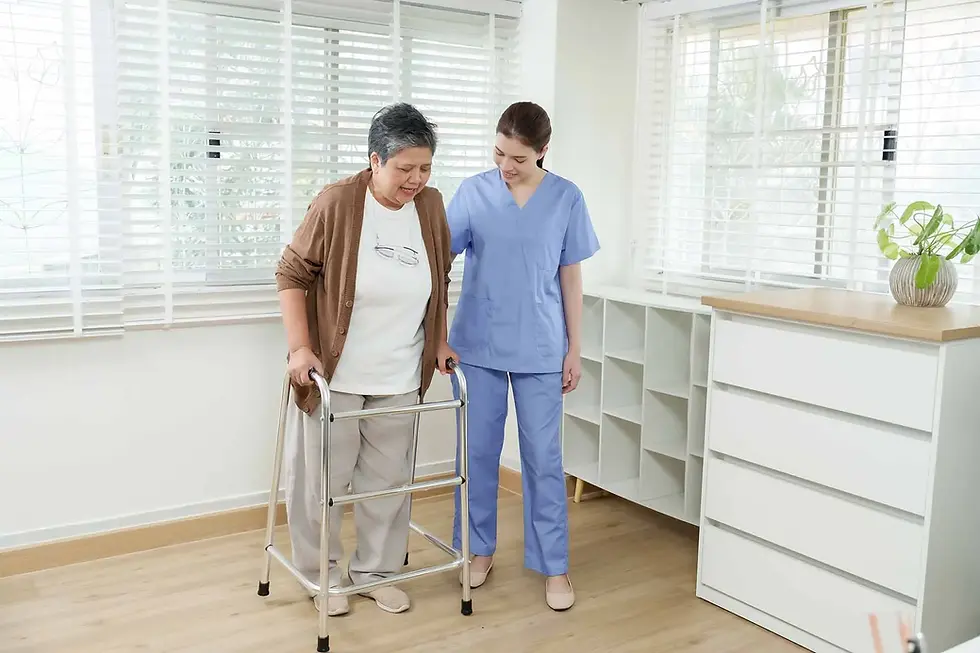
As Parkinson’s progresses, movement challenges become more noticeable. Gait may become slower, balance can be affected, and daily tasks may require more effort. Physiotherapy in the mid-stage is designed to address these changes, reduce the risk of falls, and improve functional independence through neurological physiotherapy.
Exercises often include balance training, gait practice, and strategies to overcome freezing of gait. Strengthening exercises for core and limb muscles are tailored to individual abilities, helping maintain endurance and mobility. By focusing on functional movement, physiotherapy supports patients in performing daily activities more safely and comfortably.
Late Stage Parkinson’s
In the later stages, individuals may experience significant mobility limitations, frequent falls, and reduced strength. Physiotherapy continues to play a key role, with an emphasis on maintaining whatever movement is possible, reducing discomfort, and supporting caregivers.
Assisted movement techniques, safe transfers, and positioning exercises help minimise complications and maintain quality of life. Physiotherapists also provide guidance for carers on safe handling and home adaptations to support daily activities through Parkinson’s physiotherapy support. Even in advanced stages, consistent physiotherapy can enhance comfort, reduce pain, and sustain independence where possible.
Holistic Approach Beyond Exercise
Physiotherapy for Parkinson’s is not limited to exercises. At SMARTPHYSIO, we integrate holistic approaches such as posture awareness, breathing techniques, and relaxation exercises to support overall wellbeing. Personalised plans adapt as the condition progresses, ensuring that each patient receives the most appropriate care.
Collaboration with other healthcare professionals ensures a comprehensive approach to managing symptoms and promoting long-term independence.
Physiotherapy offers benefits at every stage of Parkinson’s disease. From early interventions that maintain mobility, to mid-stage strategies that enhance balance and functional ability, and late-stage support that ensures comfort and safety, physiotherapy empowers patients and carers alike.
How We Can Help With Parkinson’s Physiotherapy
Whether you are newly diagnosed or living with Parkinson’s long term, physiotherapy can play an important role in maintaining movement, balance, and independence. We provide specialist support through Parkinson’s physiotherapy, neurological physiotherapy, and general physiotherapy, delivered either in clinic or via physiotherapy home visits where appropriate. If you would like an assessment or a personalised treatment plan, contact the team to arrange your appointment.