

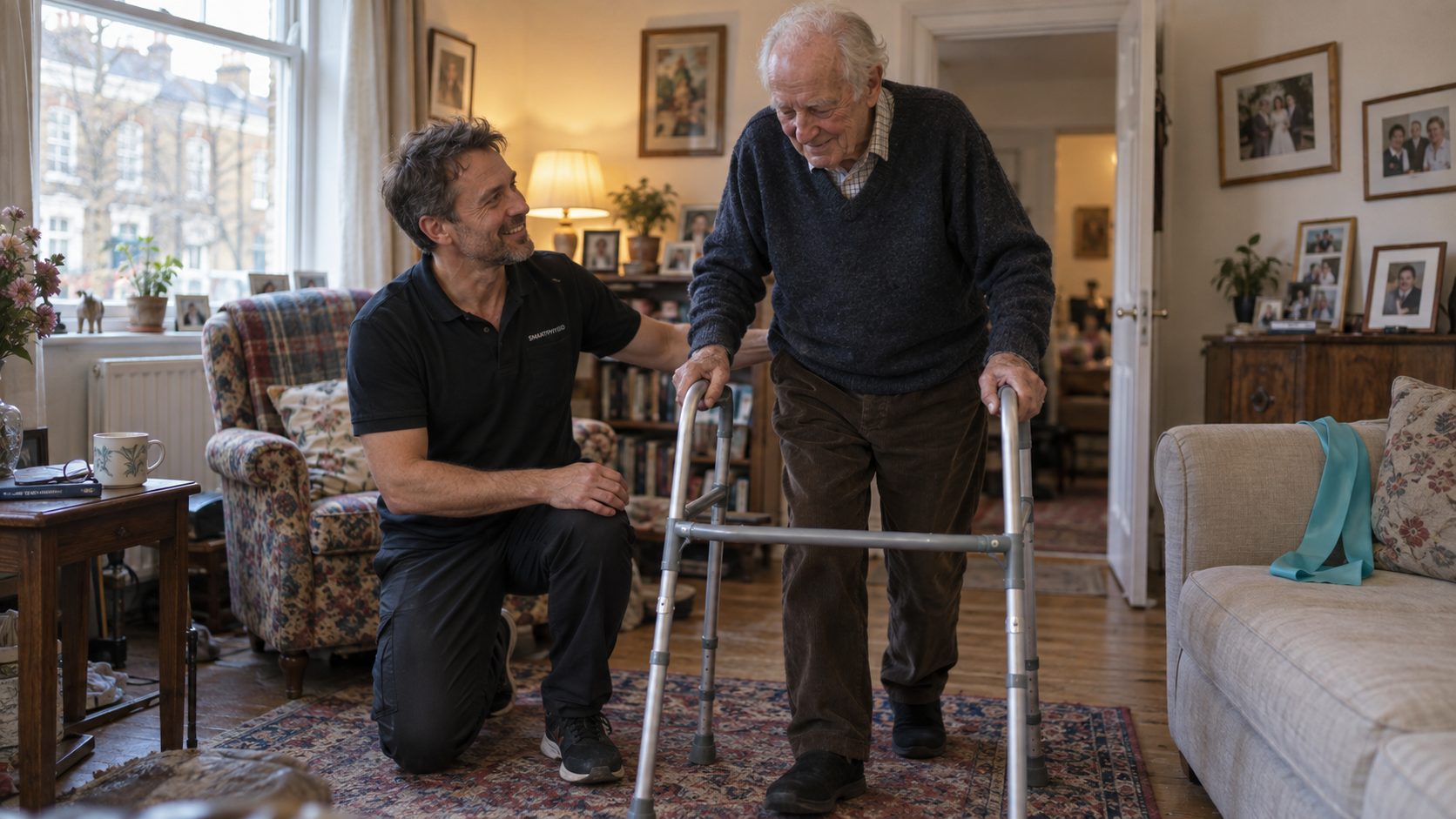
Home Visit Physiotherapy for Parkinson’s Disease


Introduction
Living with Parkinson's disease presents unique challenges that can significantly impact daily activities and quality of life. Home visit physiotherapists play a crucial role in helping patients maintain mobility, independence, and overall well-being in the comfort of their own home.
Benefits of Home-Based Physiotherapy
Personalised Environment
Home-based physiotherapy allows therapists to assess and treat patients in their actual living environment. This approach enables:
-
Customization of exercises based on home layout and available space
-
Identification of potential hazards and accessibility issues
-
Implementation of practical solutions for daily activities
Comfort and Convenience
Receiving treatment at home offers several advantages:
-
Eliminates travel-related stress and fatigue
-
Reduces anxiety associated with clinical settings
-
Allows family members to be present and learn supportive techniques
-
Accommodates patients with mobility challenges
Key Services Provided
Assessment and Monitoring
Home visit physiotherapists conduct regular assessments to:
-
Evaluate movement patterns and physical capabilities
-
Track disease progression
-
Identify fall risks
-
Assess home environment safety
-
Monitor treatment effectiveness
Exercise Programs
Therapists design and implement specialized exercise programs focusing on:
-
Balance and coordination training
-
Gait improvement
-
Strength building
-
Flexibility maintenance
-
Fall prevention strategies
Daily Living Activities Support
Practical assistance includes:
-
Teaching strategies for safer movement
-
Advising on energy conservation
-
Training in transfer techniques (bed to chair, sitting to standing)
-
Guidance on using mobility aids effectively
The Treatment Process
Initial Assessment
The first visit typically involves:
-
Comprehensive physical evaluation
-
Discussion of symptoms and challenges
-
Review of medical history
-
Assessment of home environment
-
Goal setting with patient and family
Ongoing Care
Regular sessions include:
-
Exercise progression based on capability
-
Technique refinement
-
Progress evaluation
-
Program adjustments as needed
-
Family education and involvement
Working with Family Members
Education and Training
Physiotherapists provide:
-
Training in safe assistance techniques
-
Education about disease progression
-
Guidance on supporting exercise routines
-
Instructions for emergency situations
Communication
Ongoing dialogue ensures:
-
Regular updates on progress
-
Discussion of changing needs
-
Adjustment of treatment plans
-
Coordination with other healthcare providers
Equipment and Resources
Recommended Tools
Common equipment might include:
-
Balance aids
-
Exercise bands
-
Small weights
-
Walking aids
-
Safety equipment
Home Modifications
Therapists may suggest:
-
Installation of grab bars
-
Removal of trip hazards
-
Furniture rearrangement
-
Lighting improvements
Finding the Right Physiotherapist
Key Qualifications
Look for professionals with:
-
Specialized training in neurological conditions
-
Experience with Parkinson's disease
-
Home visit expertise
-
Current registration and insurance
Questions to Ask
Important inquiries include:
-
Experience with Parkinson's patients
-
Treatment approach and philosophy
-
Session frequency and duration
-
Emergency protocols
-
Insurance and payment options
Conclusion
Home visit physiotherapy provides essential support for individuals with Parkinson's disease, offering personalized care that enhances quality of life and maintains independence. Through regular assessment, targeted exercises, and family involvement, these specialists help patients navigate the challenges of Parkinson's while remaining in their familiar environment.
More from the SMARTPHYSIO blog


Let's get you moving again
Book a clinic appointment online, or tell us about a home visit and we will call you back the same working day.