

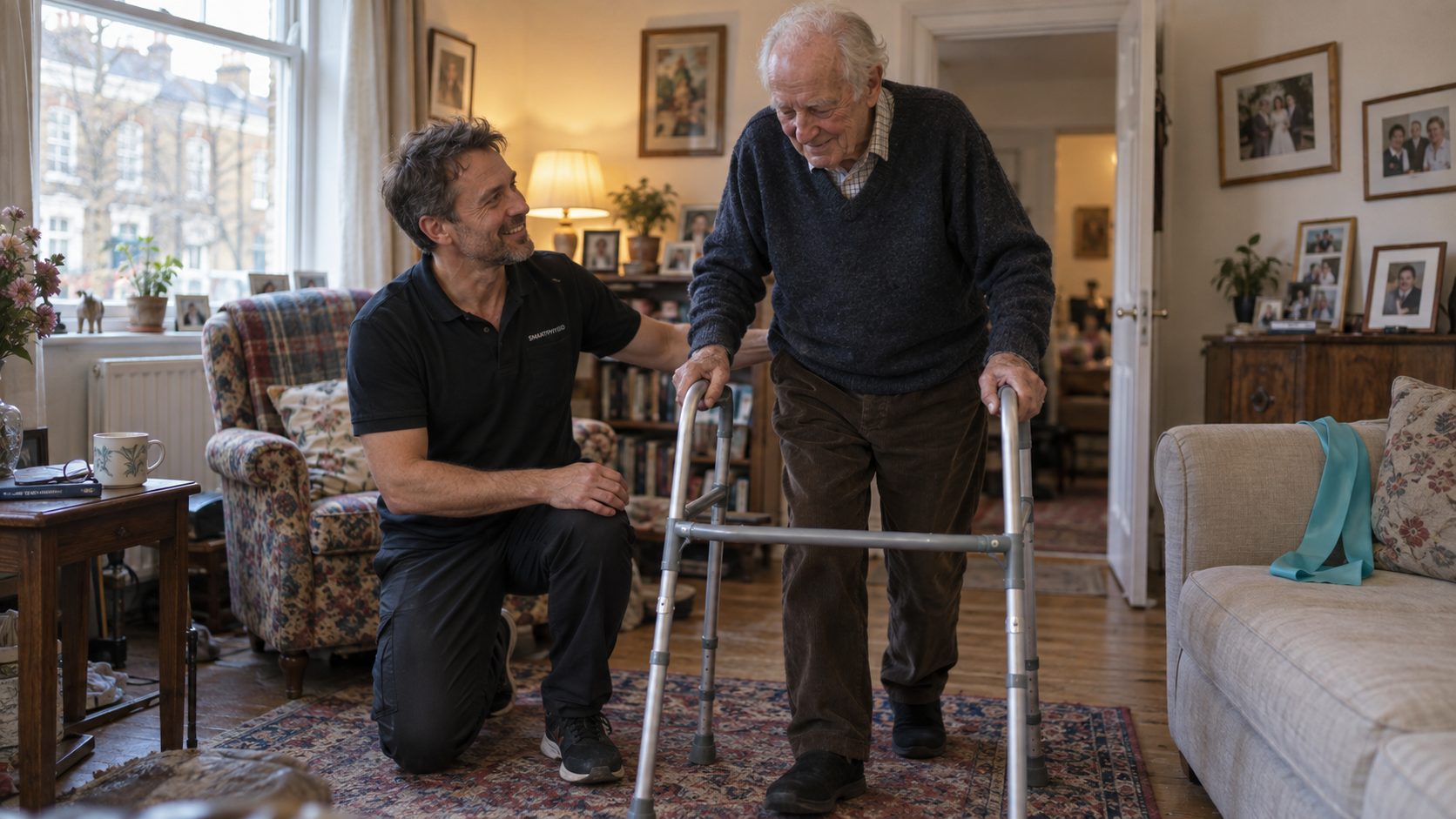
Motivation in Neuro Rehabilitation Matters


Recovery from a neurological condition, such as a stroke, Parkinson’s disease, or multiple sclerosis, can be a long and challenging process. While physiotherapy provides the tools and exercises needed to improve movement, strength, and balance, one factor often overlooked is the patient’s motivation and engagement.
At SMARTPHYSIO, we understand that encouraging active participation and sustaining motivation are key to successful neurological rehabilitation.
Why Motivation Matters in Neuro Rehabilitation
Neurological conditions often affect more than physical abilities. Fatigue, frustration, or lack of confidence can make patients hesitant to attempt exercises or engage fully in therapy sessions. Without motivation, progress may be slower, and the benefits of physiotherapy may not be fully realised. Engaged patients are more likely to complete exercises consistently, embrace new strategies, and take an active role in their recovery, which directly impacts outcomes.
Understanding the Individual
No two patients are the same, and understanding what drives each person is crucial. Physiotherapists consider a patient’s goals, interests, lifestyle, and personal challenges when designing a rehabilitation plan. Some patients may be motivated by regaining independence in daily activities, while others may focus on returning to hobbies or social participation. Tailoring the approach to align with what matters most to the individual helps sustain engagement over the long term.
Techniques to Enhance Engagement
Physiotherapists use a variety of strategies to maintain motivation during neuro rehabilitation:
Goal Setting – Breaking larger recovery goals into smaller, achievable milestones allows patients to experience regular success. Celebrating these milestones boosts confidence and encourages continued effort.
Feedback and Progress Tracking – Visual or verbal feedback helps patients see their improvements, even when progress is gradual. This reinforcement motivates continued participation.
Varied and Functional Exercises – Exercises that are practical and relevant to daily life are more meaningful than repetitive movements. Incorporating functional tasks helps patients understand the purpose of each activity.
Positive Reinforcement – Encouragement, praise, and acknowledgement of effort can have a profound effect on patient engagement, particularly when recovery is slow or challenging.
Collaboration with Family and Care Teams
Motivation does not exist in isolation. Involving family members, carers, and other healthcare professionals can enhance patient engagement. They can provide encouragement, help reinforce exercises at home, and celebrate achievements. A supportive environment makes it easier for patients to maintain consistent participation in their rehabilitation programme.
Overcoming Challenges to Motivation
It is natural for patients to experience fluctuations in motivation. Pain, fatigue, or setbacks can reduce willingness to participate. Skilled physiotherapists recognise these barriers and adapt plans accordingly, using pacing, task modification, or introducing new strategies to re-engage patients. By addressing both physical and psychological obstacles, rehabilitation remains effective and patient-centred.
The Impact on Recovery
Research and clinical experience show that motivated and engaged patients are more likely to achieve meaningful outcomes in neuro rehabilitation. They regain independence faster, experience fewer complications, and report higher satisfaction with their recovery journey. Motivation is not simply a “nice-to-have”, it is an essential component of successful rehabilitation.
How We Can Help With Neuro Rehabilitation
At SmartPhysio, we provide specialist neurological physiotherapy designed to improve movement, confidence and independence after illness or injury. Whether recovering from stroke, managing Parkinson's, or living with neurological symptoms, our experienced team can help with personalised rehabilitation plans that keep you progressing. Explore Neuro Physio, Parkinson's, Strokes, or contact us to arrange an assessment.
More from the SMARTPHYSIO blog


Let's get you moving again
Book a clinic appointment online, or tell us about a home visit and we will call you back the same working day.