

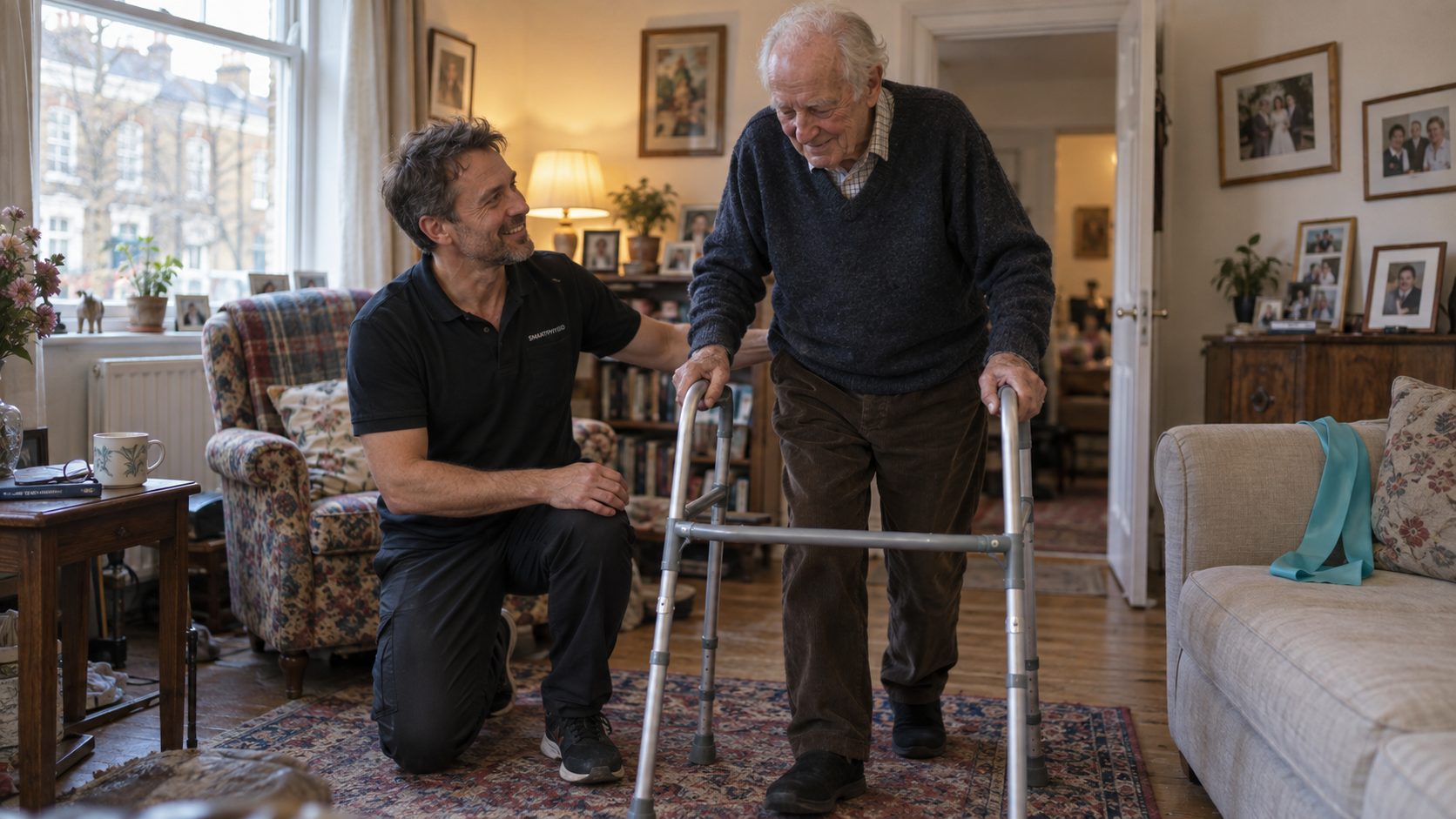
The Surprising Link Between Physiotherapy and Blood Pressure


High blood pressure, or hypertension, affects around one in three adults in the UK. Many of them do not know it. Hypertension is a leading risk factor for heart disease, stroke, and kidney failure, and yet for millions of people it is sitting undetected and unmanaged in the background of their daily lives. On World Hypertension Day 2026, I want to talk about something that often surprises people: physiotherapy has a genuinely significant role to play in blood pressure management.
Why Exercise Is Medicine
This is not a metaphor. In 2026, the evidence that regular physical activity reduces blood pressure is overwhelming. For people with mildly to moderately elevated blood pressure, structured exercise has been shown to produce reductions comparable to some antihypertensive medications. Guidelines from the British and Irish Hypertension Society and NICE both highlight physical activity as a first-line lifestyle intervention for hypertension.
As physiotherapists, we are exercise specialists. We do not just tell people to "get more active." We assess current fitness levels, identify any musculoskeletal barriers to exercise, design safe and progressive programmes, and support people through the early stages when building a new habit is hardest.
What Kind of Exercise Helps?
Both aerobic exercise and resistance training have been shown to reduce blood pressure, and the combination of the two appears to produce the greatest benefit. Aerobic exercise such as brisk walking, cycling, or swimming improves cardiovascular efficiency and reduces arterial stiffness. Resistance training improves muscle function, metabolic health, and vascular tone.
The key is that exercise needs to be appropriate, consistent, and progressive. For someone who has been sedentary, jumping into intense exercise can actually be counterproductive and potentially risky. A physiotherapy assessment ensures that your programme starts at the right level and builds safely over time.
The Mind-Body Connection
Chronic stress is a well-recognised contributor to elevated blood pressure. Physiotherapy addresses the physical body, but movement itself is one of the most effective tools for managing stress and anxiety. Mindful movement practices, breathing techniques, and regular physical activity all contribute to a calmer nervous system and, over time, a healthier cardiovascular profile.
Working Alongside Your GP
Physiotherapy is not a replacement for medical management of hypertension. If you have been diagnosed with high blood pressure, you should be under the care of your GP and, where appropriate, taking prescribed medication. But lifestyle change, and exercise in particular, is a powerful complement to medical treatment, and physiotherapy is the profession best placed to guide that process.
If you have hypertension and want to use exercise as part of your management plan, please do not try to navigate that alone.
At Smartphysio, we work with patients managing hypertension and cardiovascular risk, designing safe, effective exercise programmes that fit your life.
More from the SMARTPHYSIO blog


Let's get you moving again
Book a clinic appointment online, or tell us about a home visit and we will call you back the same working day.