

Diabetes and exercise: why movement is medicine


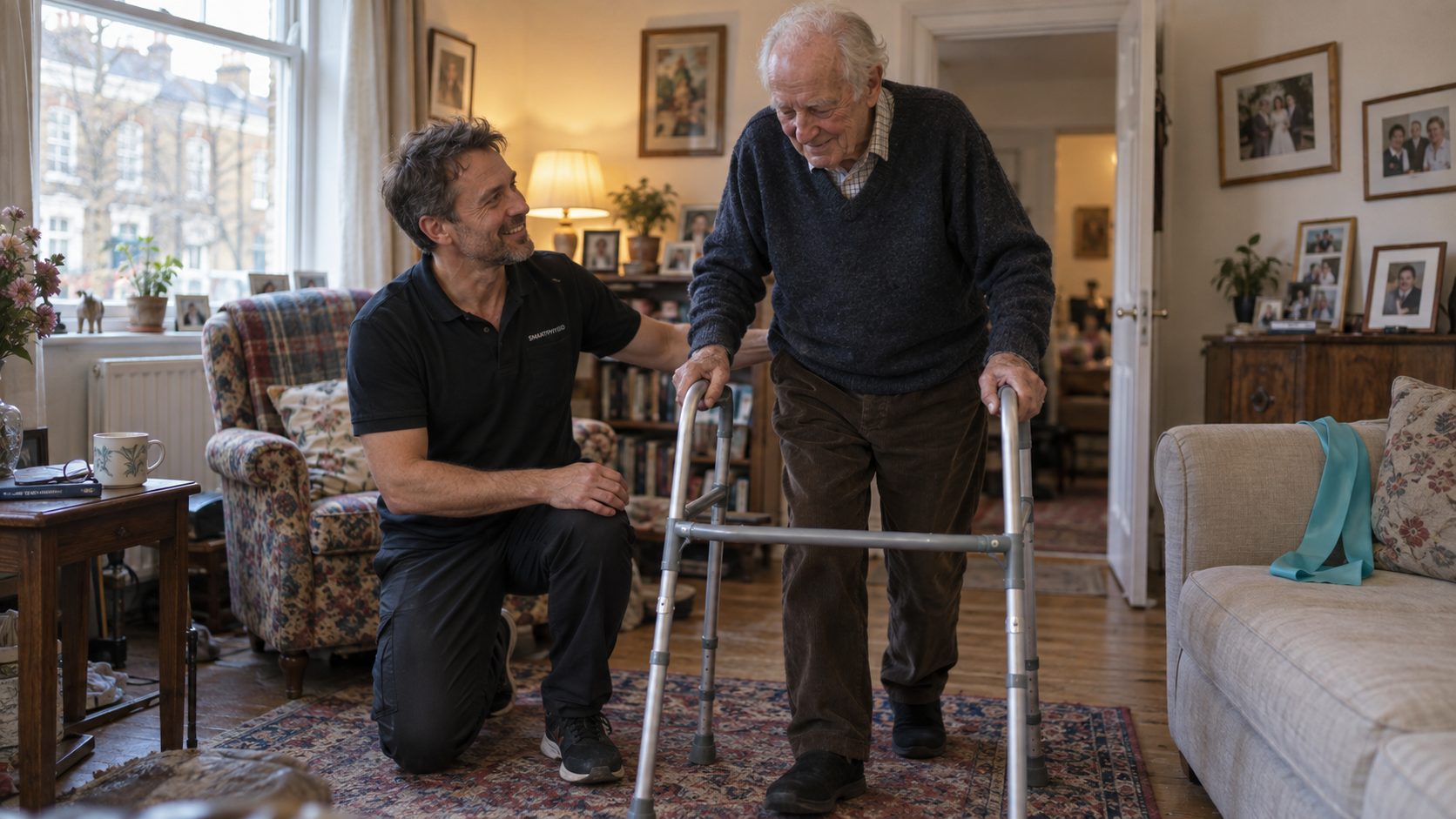
I''m reminded of a conversation I had with a patient recently. He'd been diagnosed with type 2 diabetes six months earlier and felt overwhelmed by all the information thrown at him. "Everyone's telling me what I can't do," he said. "What can I do?" That question sits at the heart of what we do as physiotherapists.
The evidence surrounding diabetes and physical activity is remarkably clear. Exercise isn't just beneficial for people living with diabetes. It's absolutely fundamental. Regular physical activity improves insulin sensitivity, helps regulate blood glucose levels, supports cardiovascular health, and reduces the risk of diabetes-related complications. For those with type 2 diabetes, structured exercise programmes can be as effective as some medications in managing blood sugar levels.
Yet here's what I've learnt over years of practice: knowing exercise helps and actually doing it are two very different things. Many patients with diabetes face genuine barriers: peripheral neuropathy making walking uncomfortable, fear of hypoglycaemia during exercise, or simply not knowing where to start. This is where physiotherapy comes in.
Starting safely matters
For someone newly diagnosed or with complications like neuropathy or retinopathy, a tailored approach is essential. We assess individual capabilities, identify any musculoskeletal issues that might limit activity, and create progressive, achievable programmes. It's not about running marathons; it's about finding sustainable movement that fits into real lives.
Strength training is underrated
Whilst aerobic exercise rightly gets attention, resistance training is equally important for diabetes management. Building muscle mass improves glucose uptake and insulin sensitivity. Even two sessions per week of simple bodyweight exercises can make a measurable difference to HbA1c levels.
Foot health is critical
Diabetes-related foot problems are a leading cause of hospital admissions. As physiotherapists, we educate patients about proper footwear, daily foot checks, and appropriate exercises to maintain foot mobility and circulation. Prevention is infinitely better than cure.
Consistency trumps intensity
The research consistently shows that regular moderate activity beats sporadic intense exercise for diabetes management. A daily 30-minute walk is more valuable than an occasional gym session. We help patients build routines that stick.
What often surprises people is how interconnected everything is. Poor sleep, for instance, affects insulin sensitivity and blood glucose regulation. Following good sleep hygiene practices, maintaining regular sleep times, creating a restful environment, and managing stress, can support diabetes management alongside physical activity.
My role isn't to lecture or overwhelm. It's to listen, assess, and collaborate with patients to find movement strategies that work for them. Every person with diabetes has a unique story, unique challenges, and unique strengths to build upon.
How we can help with physiotherapy
At SMARTPHYSIO, our experienced physiotherapists specialise in diabetes rehabilitation and exercise programming. Whether you're dealing with type 1 or type 2 diabetes, neuropathy, or barriers to getting active, we're here to help. Contact us or book a clinic appointment today.
More from the SMARTPHYSIO blog



Let's get you moving again
Book a clinic appointment online, or tell us about a home visit and we will call you back the same working day.