

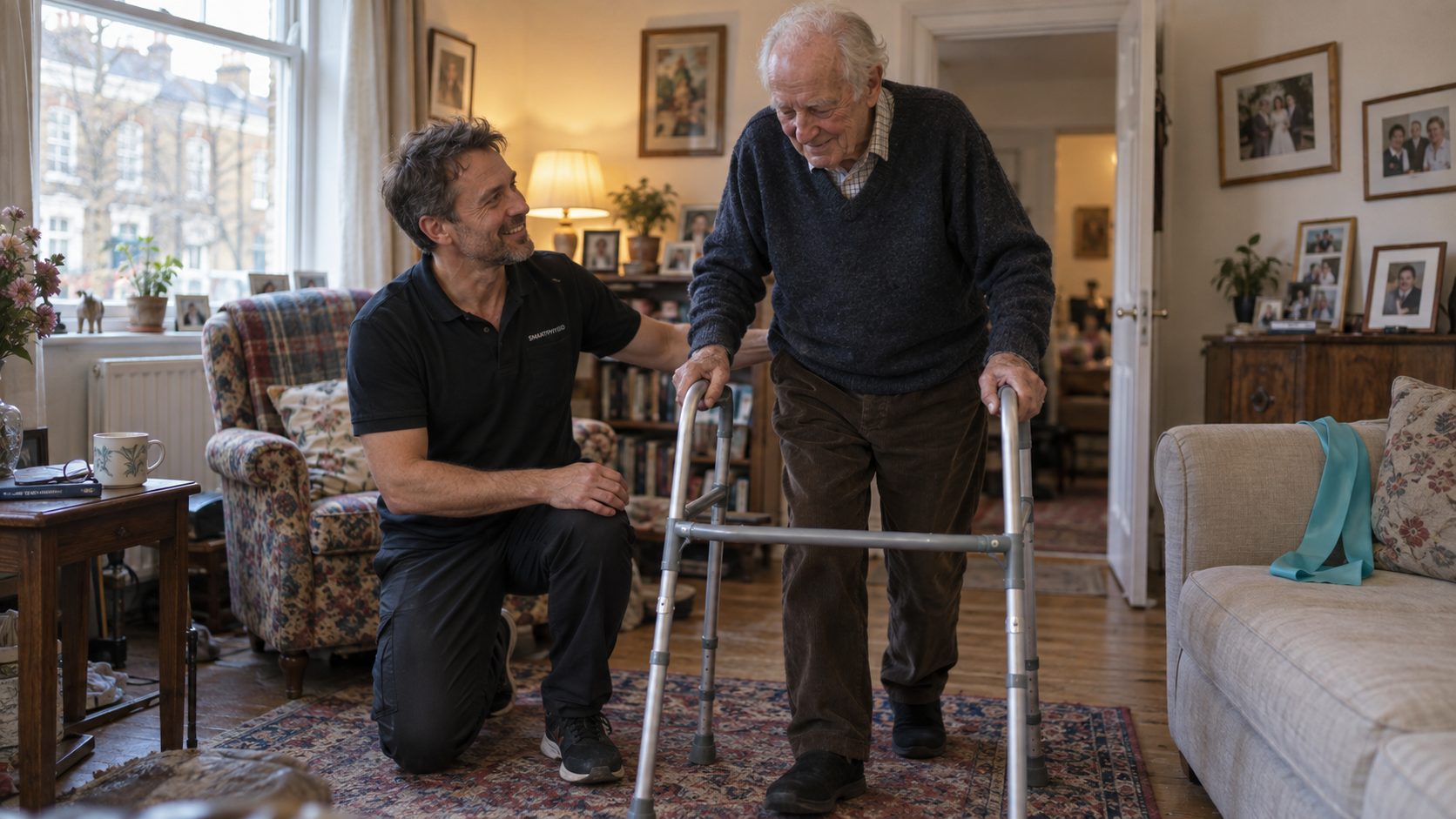
Parkinson’s Awareness Month: How Physio Helps
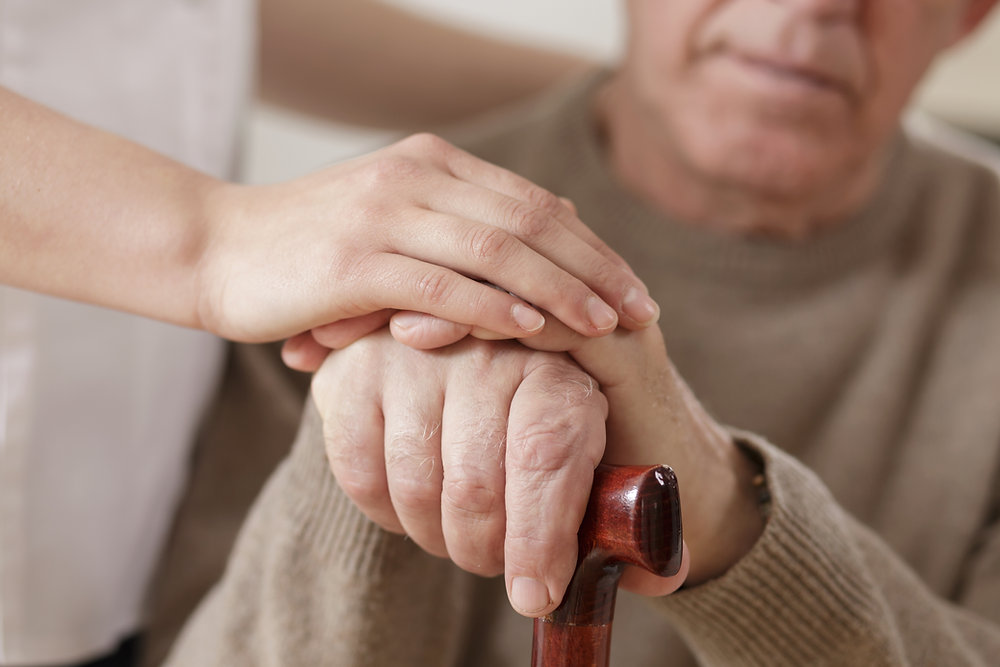

Every April, the global health community turns its attention to Parkinson's disease, and rightly so. With over 150,000 people living with Parkinson's in the UK, and around 18,000 new diagnoses made each year, this is not a condition that exists quietly on the margins. It sits in our clinics, in our communities, and in our families. As physiotherapists, we see its impact up close, every single day.
And yet, despite how common it is, Parkinson's remains widely misunderstood.
More Than a Tremor
Most people associate Parkinson's with shaking hands. That's understandable, tremor is often the most visible symptom. But in clinical practice, the picture is far more complex. Parkinson's is a progressive neurological condition caused by a loss of dopamine-producing cells in the brain, and its effects reach well beyond movement.
Patients frequently describe stiffness that makes getting out of a chair feel like an enormous effort. They notice their walking has changed, shorter steps, a slight shuffle, difficulty starting or stopping. Balance becomes unreliable. Fatigue sets in earlier than it used to. Some people experience freezing episodes, where the body simply won't cooperate despite the person's full intention to move.
These are not minor inconveniences. They affect independence, confidence, and quality of life in profound ways.
Where Physiotherapy Comes In
Here's what I want people to know, especially those who've recently received a diagnosis or are supporting a loved one: physiotherapy is not something you wait for. It is something you start as early as possible.
The research is clear. Exercise and movement-based therapy can meaningfully slow the progression of motor symptoms, improve balance and posture, and reduce the risk of falls, one of the most serious concerns for people living with Parkinson's. We use specific techniques, from cueing strategies that help with freezing, to strength and flexibility work that keeps the body as capable and responsive as possible.
We also know that Parkinson's affects people differently. There is no single programme that suits everyone. That's why assessment matters, understanding where someone is right now, what their goals are, and what barriers they face.
The Importance of Not Waiting
One of the things that concerns me most is how often people delay seeking help. Whether it's because symptoms feel manageable, or because they're not sure physiotherapy is relevant to them, too many people lose valuable months or years they could have spent building strength and resilience.
If you or someone you care about is living with Parkinson's, or if you've noticed changes in movement, balance, or walking that haven't yet been investigated, please don't sit on it. Early intervention genuinely makes a difference.
How We Can Help With Parkinson's Support
At SmartPhysio, we provide tailored physiotherapy to help people living with Parkinson's improve movement, balance, confidence and day-to-day independence. Whether recently diagnosed or managing longer-term symptoms, our experienced team can support you with practical, personalised care. Explore Parkinson's, Neuro Physio, Home Visits, or contact us to arrange an assessment.
More from the SMARTPHYSIO blog


Let's get you moving again
Book a clinic appointment online, or tell us about a home visit and we will call you back the same working day.