

How to Self Manage an Injury and When to See a Physio

Knowing what to do after an injury can be confusing. This guide explains how physiotherapy can help, and when to seek professional support.

Here is an overview of what physiotherapy can offer:

Physiotherapy helps to restore movement and function when someone is affected by injury, illness or disability. It can also help to reduce your risk of injury or illness in the future.
It takes a holistic approach that involves the patient directly in their own care.
When is physiotherapy used?
Physiotherapy can be helpful for people of all ages with a wide range of health conditions, including problems affecting the:
-
bones, joints and soft tissue – such as back pain, neck pain, shoulder pain and sports injuries
-
brain or nervous system – such as movement problems resulting from a stroke, multiple sclerosis (MS) or Parkinson's disease
-
heart and circulation – such as rehabilitation after a heart attack
-
lungs and breathing – such as chronic obstructive pulmonary disease (COPD) and cystic fibrosis
Physiotherapy can improve your physical activity while helping you to prevent further injuries.
Physiotherapists
Physiotherapy is provided by specially trained and regulated practitioners called physiotherapists.
Physiotherapists often work as part of a multidisciplinary team in various areas of medicine and settings, including:
-
hospitals
-
community health centres or clinics
-
some GP surgeries
-
some sports teams, clubs, charities and workplaces
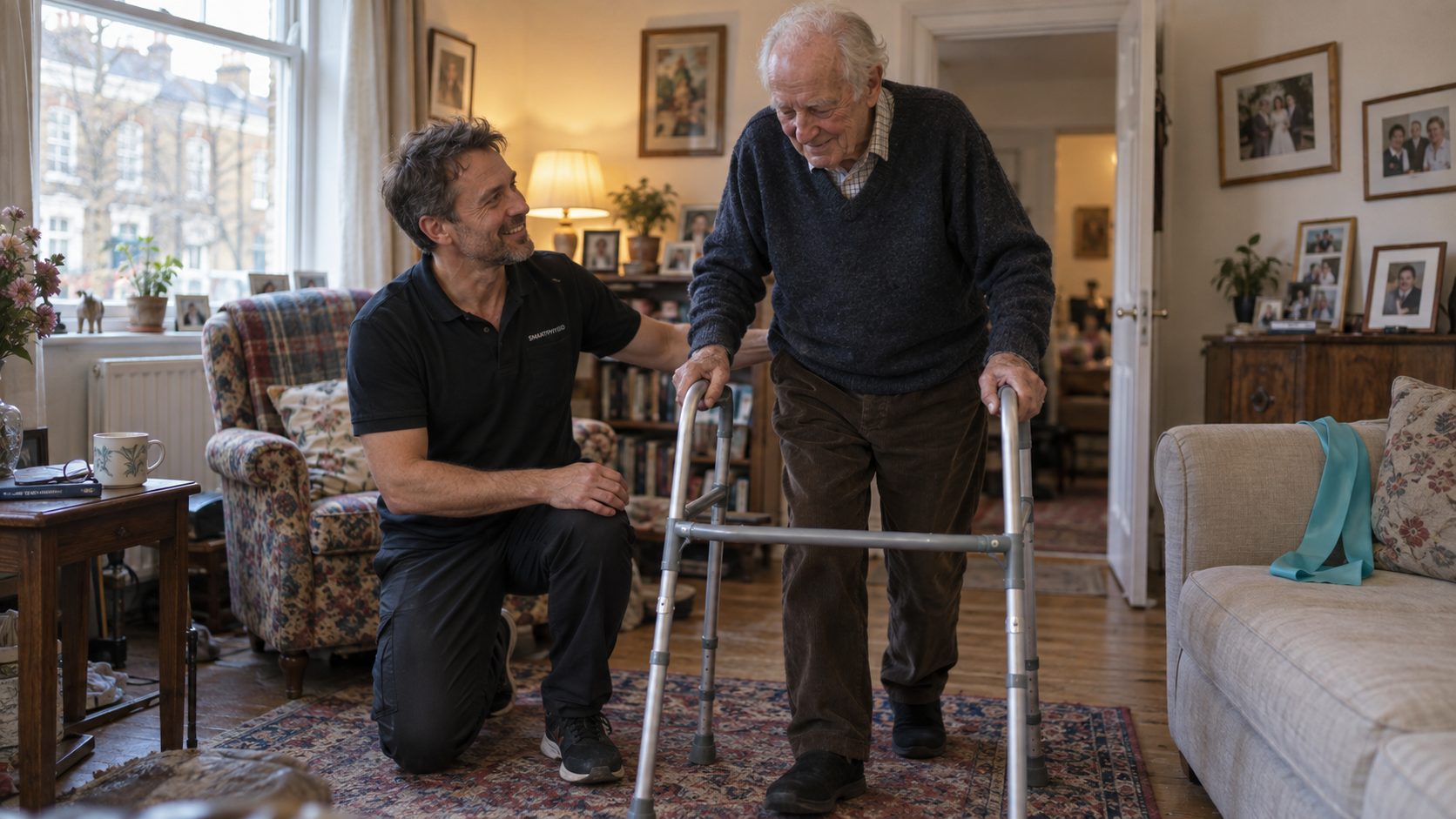
Some physiotherapists can also offer home visits.
What physiotherapists do
Physiotherapists consider the body as a whole, rather than just focusing on the individual aspects of an injury or illness.
Some of the main approaches used by physiotherapists include:
-
education and advice – physiotherapists can give general advice about things that can affect your daily lives, such as posture and correct lifting or carrying techniques to help prevent injuries
-
movement, tailored exercise and physical activity advice – exercises may be recommended to improve your general health and mobility, and to strengthen specific parts of your body
-
manual therapy – where the physiotherapist uses their hands to help relieve pain and stiffness, and to encourage better movement of the body
There are other techniques that may sometimes be used, such as exercises carried out in water (hydrotherapy or aquatic therapy) or acupuncture.
If you have an injury and need expert advice, our physiotherapists are here to help. Contact us or book a clinic appointment today.
More from the SMARTPHYSIO blog


Let's get you moving again
Book a clinic appointment online, or tell us about a home visit and we will call you back the same working day.