

Physiotherapy for Independence, Mobility & Healthy Ageing


Independence means different things at different stages of life. For some, it is returning to work after an injury. For others, it is being able to get out of bed safely, walk to the bathroom, or continue living at home with confidence. Physiotherapy plays a vital role in supporting independence across the lifespan, not just during recovery from injury, but as part of maintaining long-term health, mobility, and quality of life.
At SMARTPHYSIO, we see first-hand how the right physiotherapy support, delivered at the right time, can make a meaningful difference for people of all ages.
Understanding Independence Through Movement
Movement underpins independence. When pain, weakness, stiffness, or poor balance interfere with everyday activities, independence can gradually be lost. Physiotherapy focuses on identifying the physical barriers that limit movement and addressing them through targeted assessment and treatment.
This may involve improving strength, restoring joint mobility, retraining balance, or building confidence with functional tasks. Rather than treating symptoms in isolation, physiotherapy considers how the body moves as a whole and how that movement translates into daily life.
Physiotherapy to Support Independence in Adolescence
In younger people, physiotherapy often supports independence by enabling participation. This may include helping recover from injury, supporting those with neurological or developmental conditions, or guiding adolescents through growth-related issues and sports injuries.
Early intervention is key. Addressing movement difficulties early can prevent long-term compensations, reduce the risk of recurring problems, and help young people stay active and confident as they grow.
Maintaining Independence During Working Life
For adults of working age, independence is often linked to staying active, managing pain, and remaining engaged in work and family life. Musculoskeletal pain, whether it affects the back, neck, shoulders, or lower limbs, is one of the most common reasons people seek physiotherapy support.
Physiotherapy can help people understand the cause of their pain, regain movement, and build resilience through tailored exercise and advice. Importantly, it also supports people in managing long-term or recurring conditions, empowering them with strategies that reduce reliance on medication or repeated treatment.
Preserving Independence in Later Life
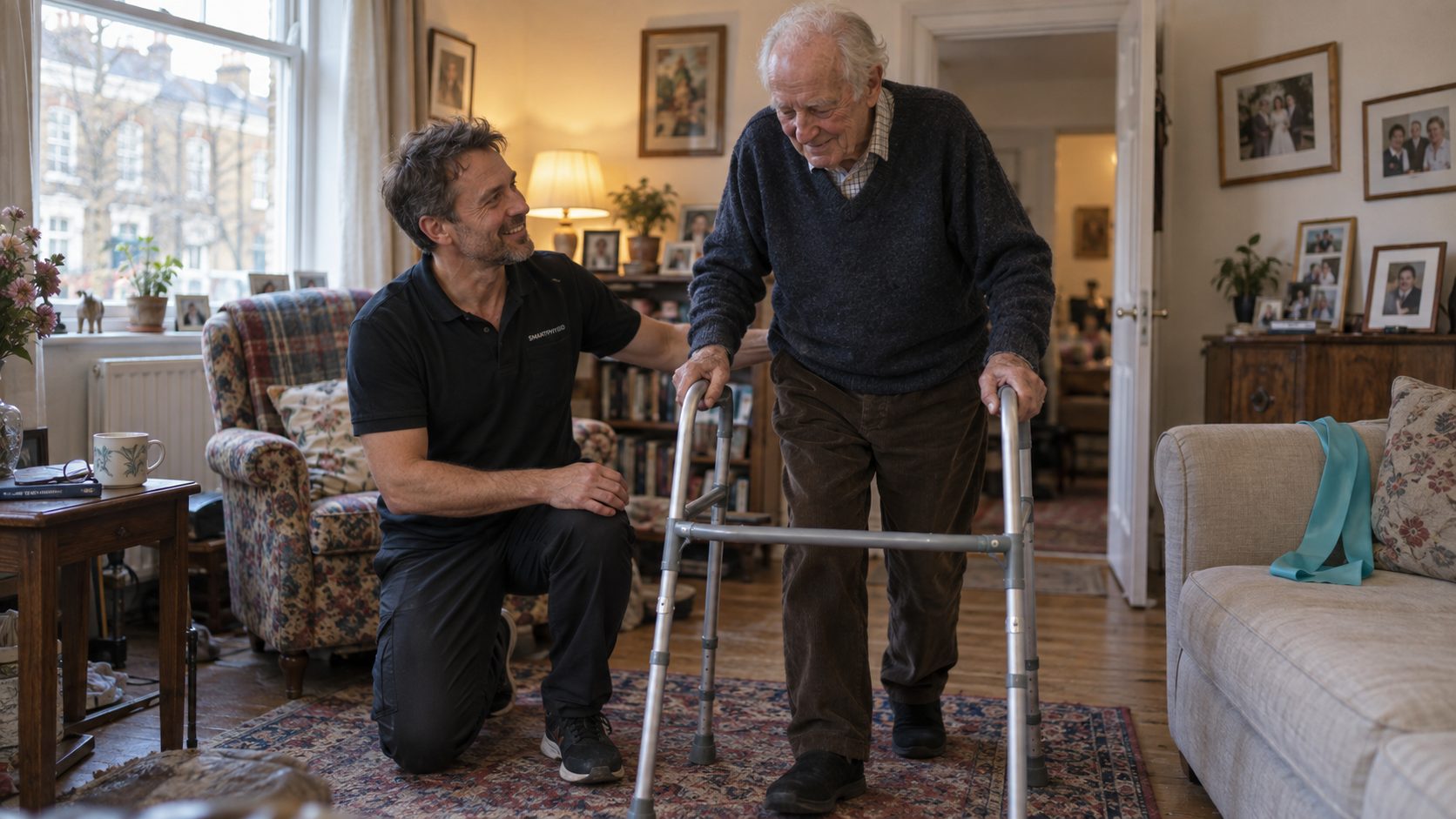
As we age, natural changes in strength, balance, and joint health can increase the risk of falls, loss of confidence, and reduced activity levels. Physiotherapy plays a crucial role in helping older adults remain independent for as long as possible.
This may involve balance training, strength work, gait re-education, or support following illness, surgery, or hospital discharge. Small improvements, such as standing more steadily or walking a little further, can have a significant impact on day-to-day independence and wellbeing.
Physiotherapy also supports people living with long-term neurological conditions, such as stroke, Parkinson’s disease, or multiple sclerosis, helping them adapt, maintain function, and continue engaging in meaningful activities.
Independence Looks Different for Everyone
Independence is not defined by age, diagnosis, or ability. For one person, it may mean returning to driving. For another, it may mean transferring safely from a chair or managing stairs with confidence. Physiotherapy respects these individual goals and works collaboratively to achieve what matters most to each person.
At SMARTPHYSIO, treatment plans are shaped around real-life needs, whether therapy is delivered in a clinic, at home, or within a care setting. Supporting independence is not about pushing people beyond their limits, but about enabling safe, sustainable movement that fits their lifestyle.
A Long-Term Approach to Independence With London-based Physiotherapy
Physiotherapy is not just reactive. It plays an important role in prevention, helping people stay active, reduce the risk of injury, and manage changes in physical health over time. Regular movement, guided exercise, and education are powerful tools in preserving independence across the lifespan.
By addressing problems early and supporting long-term physical health, physiotherapy helps people maintain control over how they live, move, and function, regardless of age.
How We Can Help With Physiotherapy
To find out how we can support independence through physiotherapy services in London, including home visit physiotherapy, care for neurological conditions, or support following injury and reduced mobility, contact SMARTPHYSIO to discuss the most appropriate care for your needs.



Let's get you moving again
Book a clinic appointment online, or tell us about a home visit and we will call you back the same working day.